Thread on Video Games and Cognitive Function Research
Discussion of meta-analysis examining gaming interventions and cognitive assessments

Gut Health, Bioenergetics, Mitochondrial Optimization
I help people make sense of complex, unresolved health problems by looking at the body as an interconnected system rather than a collection of isolated symptoms. My path into this work began through my own health challenges. While studying chemical and biomolecular engineering at Tulane, I became deeply interested in health, nutrition, and the science of human biology. At the same time, I developed severe gastrointestinal issues that disrupted my life and left me searching for answers. Despite seeing doctors and undergoing extensive testing, I was repeatedly left without a clear explanation or solution. That experience forced me to take a different path. I began using my scientific background to read research, study physiology, speak with others facing similar problems, and test ideas carefully over time. Through that process, I was able to better understand the biological patterns behind my own symptoms and ultimately improve my health. Now, as founder of Prism Health, my mission is to help others who feel stuck, dismissed, or underserved by conventional approaches. My work focuses on connecting symptoms, history, lifestyle, nutrition, gut function, metabolic health, bioenergetics, and mitochondrial function into a clearer picture. The goal is not to offer generic advice or another one-size-fits-all protocol. The goal is to help clients understand what may be driving their issues and build a practical, personalized strategy for restoring energy, resilience, and long-term health.

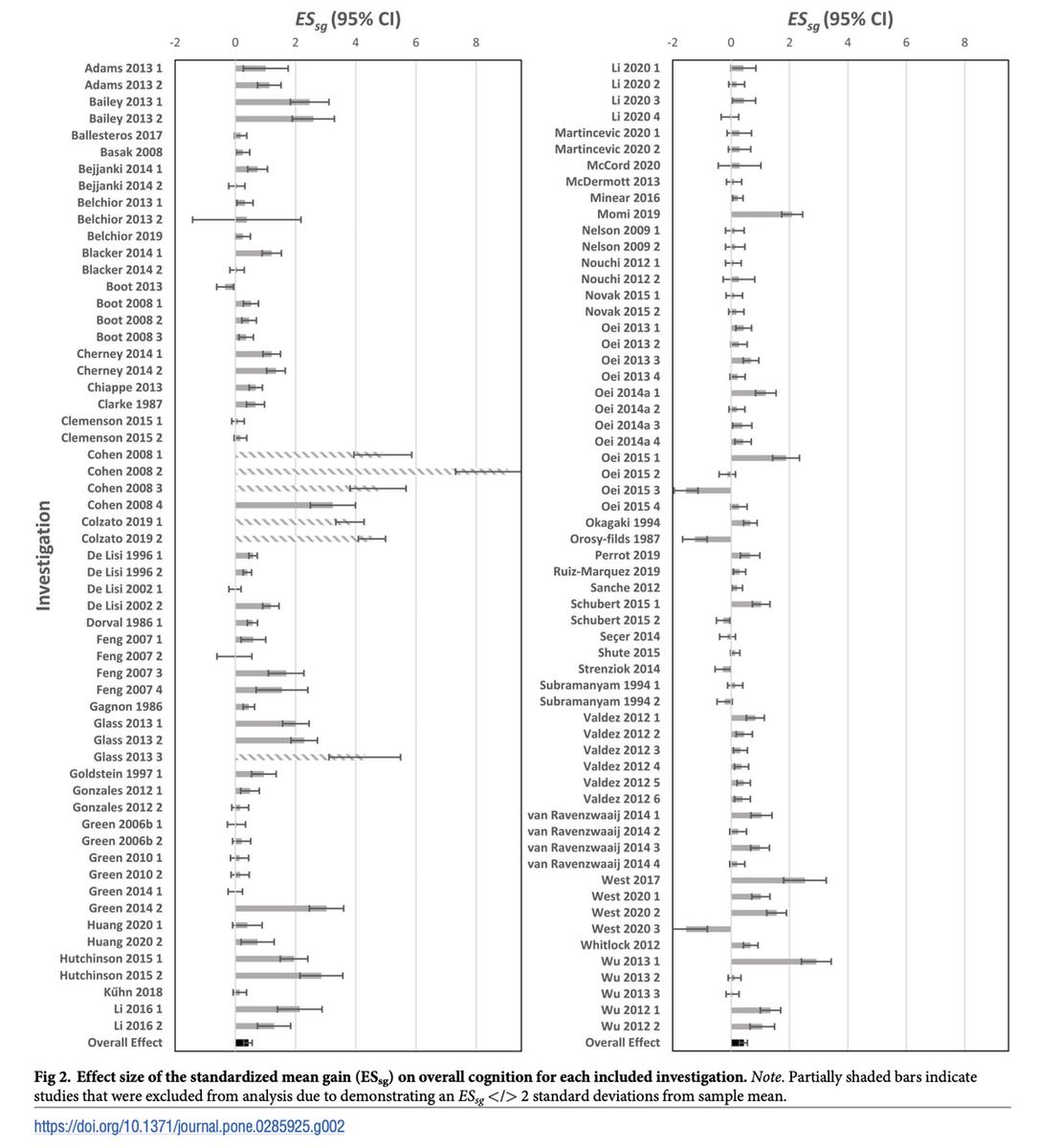
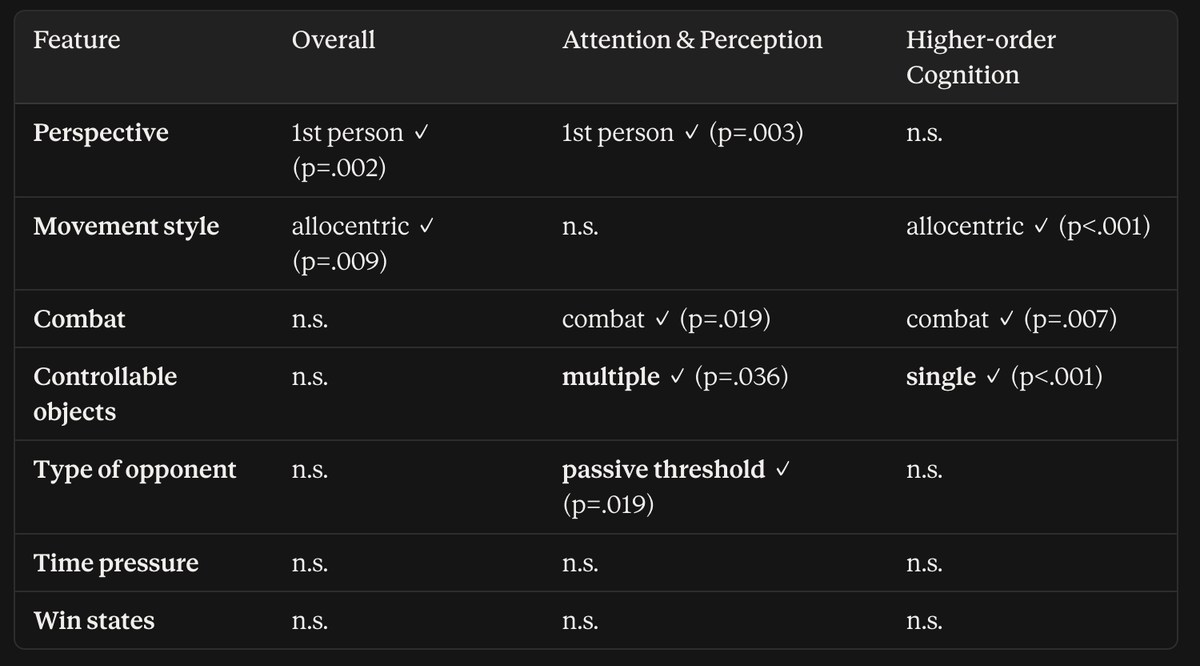
- This was a major meta analysis from 2023, looking at well over 100 different gaming interventions on various domains of cognitive function. What was fascinating about this study is that they tried to separate out what kinds of games would have which effects. Not just broad categories, but they tried to nail down what exact features of games would be beneficial. In other words, first vs third person, time pressure vs no time pressure, etc.

- The number ESsg here is essentially a one number metric for overall benefit. If it goes up, then the game helped, If it goes down, the game worsened. As you can see, nearly every single intervention either improved the cognitive function measured or did nothing. But my question was, what was up with the few studies showing harm?
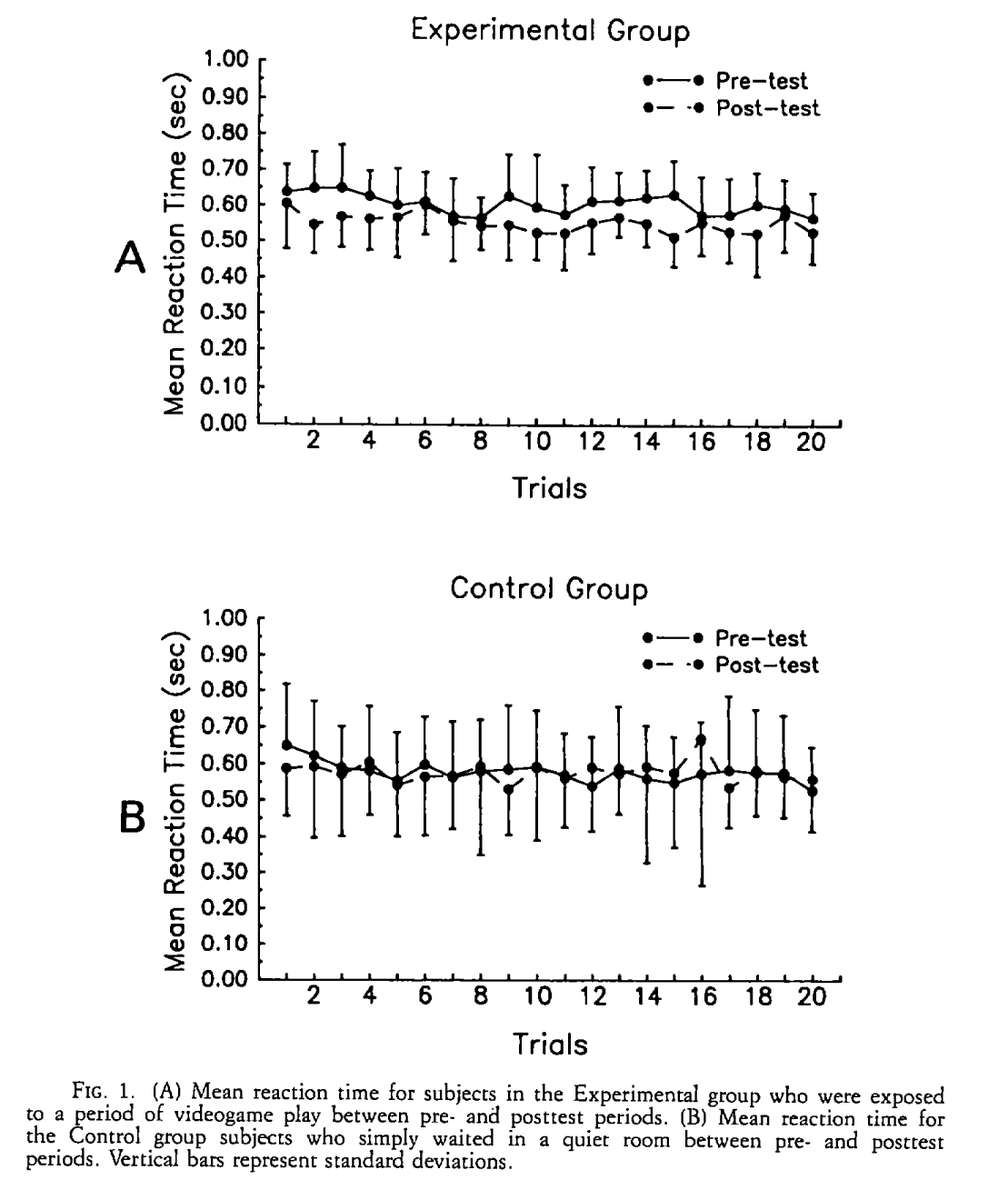
- Well, for one, some of them were reported incorrectly. For instance, this 1987 study looked like a notable drop in the figure above. But when you actually look at the study, the people playing the video games actually did improve. Here they had faster reaction times after playing an Atari 2600 classic, Centipede.
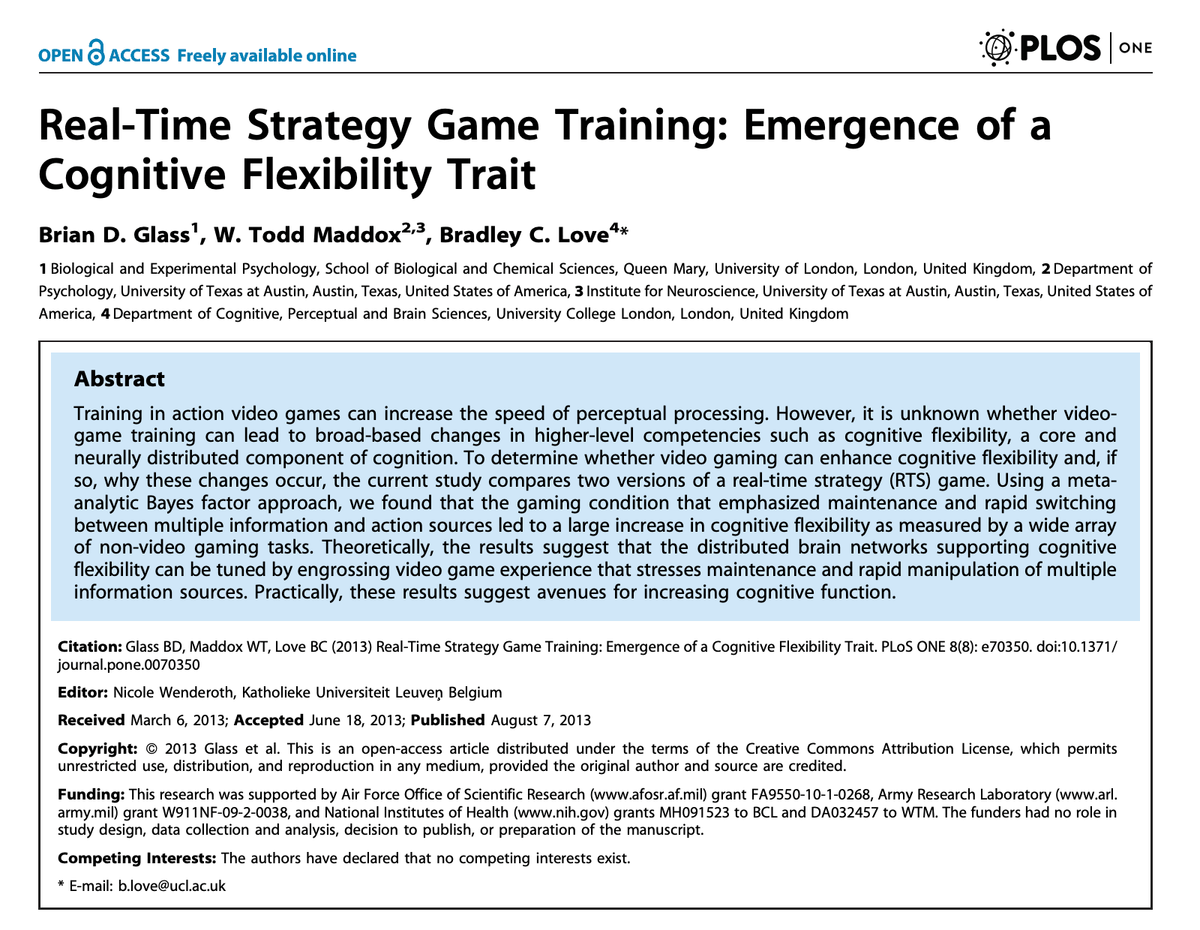
- Here's another example, they reported the "action game" (Unreal Tournament) as a net negative, but when you actually look at the data it was essentially an improvement in 2 metrics balanced by a worsening in one metric. This was true for the negative finding in Oei 2015 too, it didn't match what was reported. So essentially, the 3 biggest "negative" effects out of 100+ interventions weren't actually negative upon closer inspection. Yet another reason not to trust meta analyses without reading the fine print.

- But the main findings of the study were fascinating to me. The intuitive conclusion of harder games = better cognitive outcomes, or games that make you think more being better, is not so, at least in these measures. In fact, it actually seemed to be the opposite. Combat games actually improved higher order cognitive function more than noncombat games. And if you actually look at the individual games, a lot of the best performing ones were first person shooters.
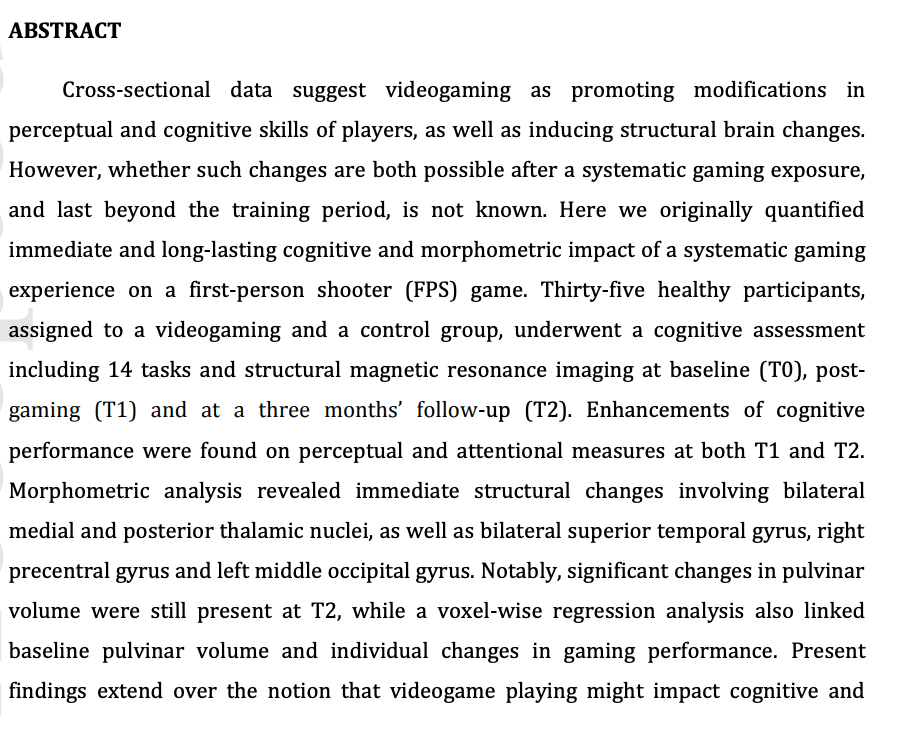
- Another example. They played Counter Strike (CS:GO) for 2 hours a day for 15 sessions. Not only did they improve in various metrics, including some involved in higher level cognitive / executive functioning, but they even saw increased brain volume in specific brain regions. Authors stated that due to this, shooters could be used in conditions where thalamic functioning has declined: "such as schizophrenia, depression, anxiety disorder, attention-deficit/hyperactivity disorder, Alzheimer’s disease, neglect, epilepsy and Lewy Body Disorders."
- When looking at the overall effect sizes (in other words, how much did each intervention improve people's cognitive function), it's not the games you would expect. In fact, first person shooters and something that seems like brainrot (Crazy Taxi) ranked among the best games for cognitive function.

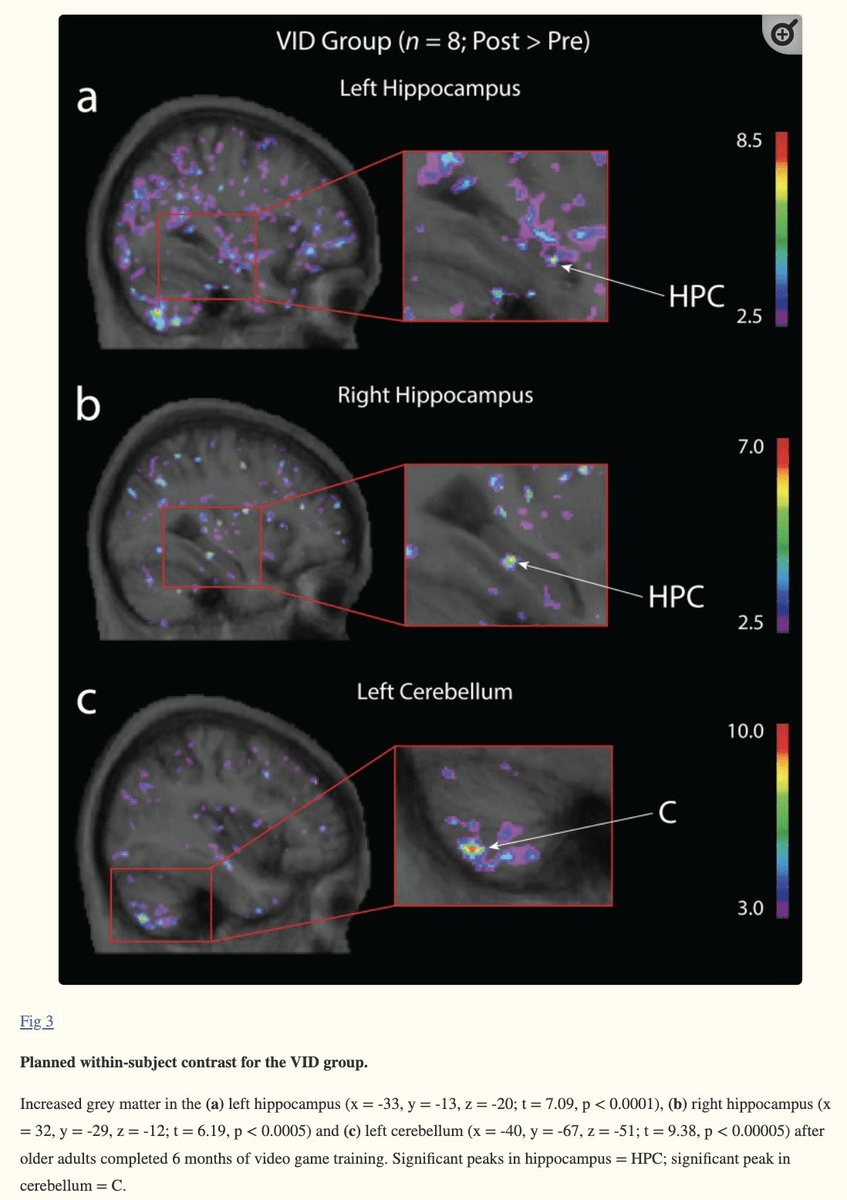
- Tetris did the same in a separate study. Playing an hour of Tetris per day for 6 weeks: ‣ Increased brain volume in the hippocampus ‣ Decreased depression ‣ Decreased anxiety ‣ Decreased PTSD symptoms So we have pretty consistent evidence that gaming can have physical benefits for the brain and even improve mental health, in addition to cognition.

- There are plenty of studies showing that gamers have better cognitive performance, but people are often quick to dismiss them, assuming that smarter people might just be more likely to play games, rather games enhancing cognitive function. Well one article tried to separate out those factors, and showed that even after adjusting for IQ in youth, action gamers still came out on top. Puzzle gamers were the same as non gamers, once again reinforcing this idea that the games many of us consider as brainrot like shooters are actually the ones moving the needle.

- But this doesn't mean that games that make you think are useless. In fact, StarCraft games are essentially modern day chess, incredibly complex strategizing, and they've been shown to improve cognitive flexibility. Essentially, enhancing the ability to switch focus and adapt on the fly.
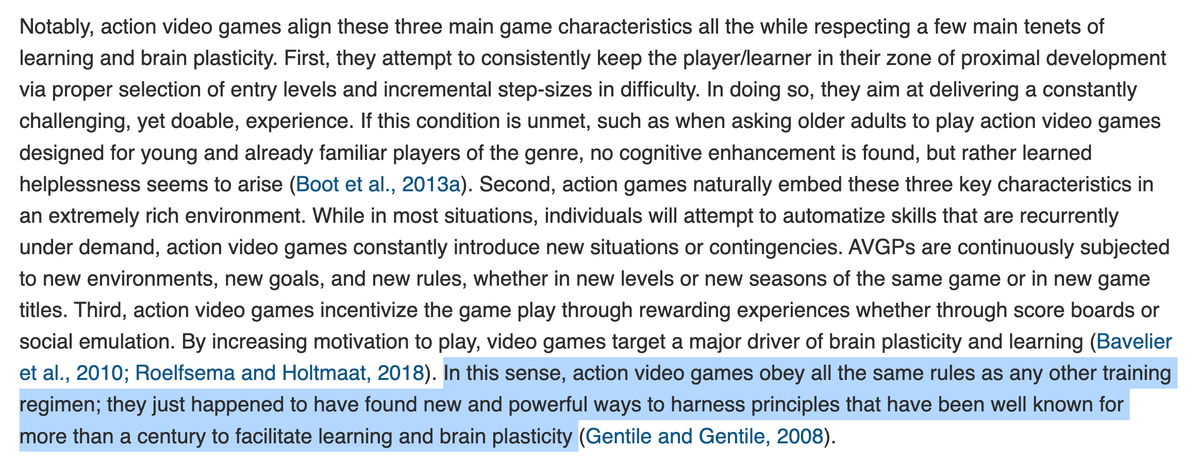
- Why would video games have this effect? Well once you accept the fact that games are not comparable to something like watching TV or scrolling social media, since they actually require active input from the user, it becomes clear. One review article stated: "Action video games obey all the same rules as any other training regimen; they just happened to have found new and powerful ways to harness principles that have been well known for more than a century to facilitate learning and brain plasticity"
- This actually makes sense on a neurochemical level. There are a few neurotransmitter receptor mediated cascades that can stimulate neuroplasticity and thus learning through games. ➤ D1 receptors (dopamine receptors) - especially relevant here because dopamine would be more active in the cortex, the brain region responsible for higher cognitive function. Things like watching TV, doing drugs, scrolling, etc. that don't require much cognitive function but still yield motivation and reward hit different dopamine projections. Since games are rewarding, motivating and they actually require executive functioning, this would make sense ➤ Acetylcholine receptors - the main neurotransmitter involved in maintaining attention and also in forming memories ➤ Noradrenaline (adrenergic) receptors - promotes wakefulness, alertness, and attention too

- This study was really stood out to me. "Engaging in VR creates new interests or rekindles an interest in returning to previous leisure activities" Suggesting that gaming, because it is a unique way to stimulate attention and reward, can actually improve these areas in other facets of your life.

- Which brings up another important point. People act like you can't play games and also be productive. The stereotype of the fat gaming redditor runs deep. Simple observation tell us that masters of any craft tend to have hobbies outside of their main domain. Michael Jordan, for instance, loved playing cards and golf. He notoriously did this even during high pressure playoff series, even in the NBA Finals.
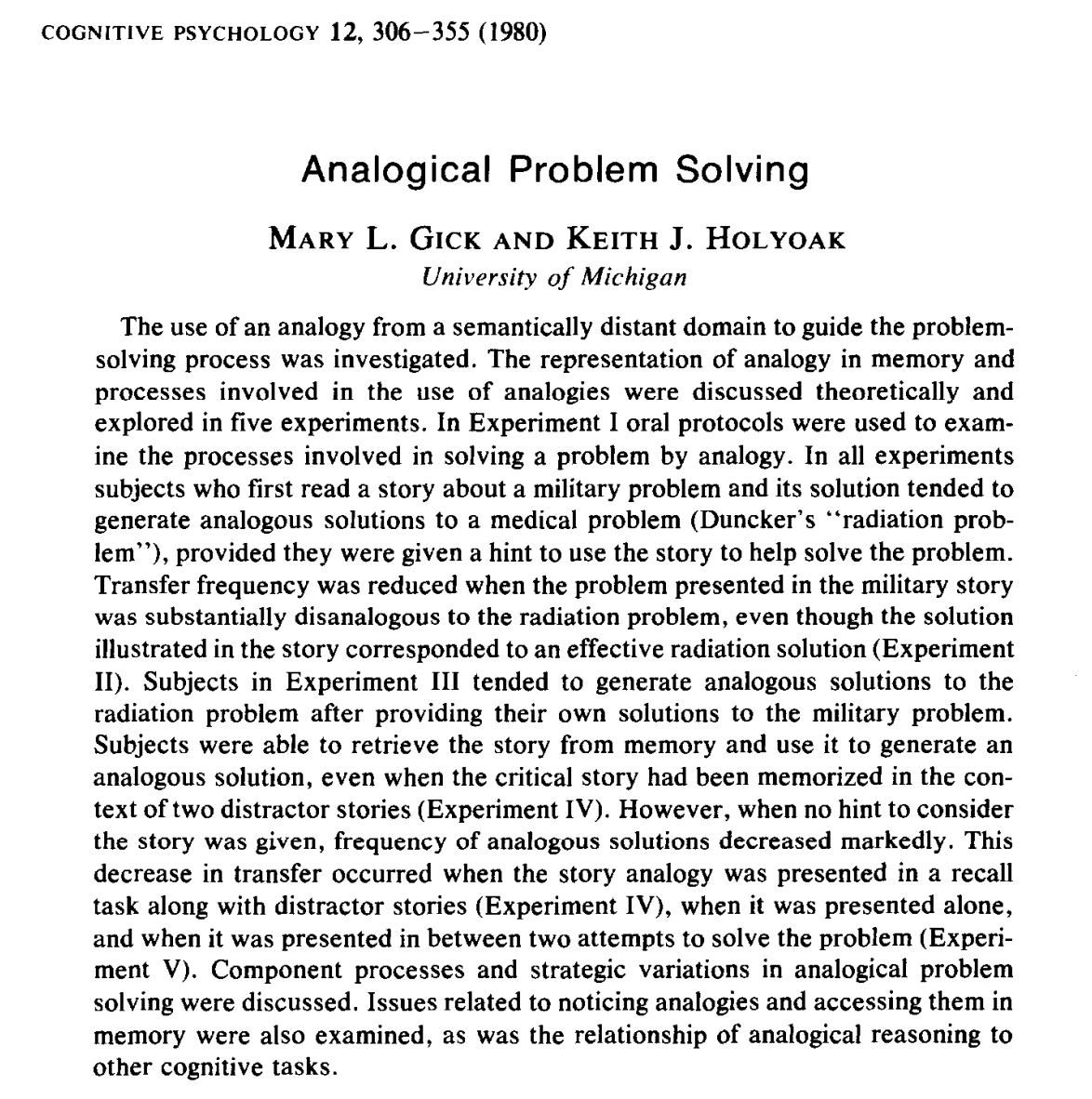
- This isn't just speculation either. Research continuously shows that being exposed to different problems to solve helps you solve primary issues. For instance, these papers covered situations where people were better able to problem solve thanks to the use of analogies from unrelated problems. It's likely that games do the same. If you can figure out how to get through the water temple in Zelda, your brain mentally can use that same skillset in other areas.
- The bottom line is you can't just work all the time, and video games are a very reasonable and even beneficial way of taking time off of work. Obviously, if it's replacing work, relationships, exercise, etc. it's no good. But if it's replacing watching TV, scrolling on your phone, or some other mindless activity that we all do? I'd say it's pretty damn good.
- Studies main meta pmc.ncbi.nlm.nih.gov/articles/PMC10… link.springer.com/content/pdf/10… - COD increases higher cognitive function sci-hub.su/10.1111/ejn.14… - Counterstrike and brain volume attention + processing speed + action games cell.com/neuron/fulltex… starcraft + cognitive flex journals.plos.org/plosone/articl… taking into acc other variables of epi link.springer.com/article/10.118… Engaging in VR creates new interests or rekindles an interest in returning to previous leisure activities. sci-hub.ru/10.3233/TAD-20… "Analogical source material." sci-hub.ru/10.1016/0010-0… link.springer.com/article/10.375… Detachment and recovery pubmed.ncbi.nlm.nih.gov/17638488/






Sources in this thread
Academic references cited in the original posts.
- Sonnentag S, Fritz C. The Recovery Experience Questionnaire: development and validation of a measure for assessing recuperation and unwinding from work. J Occup Health Psychol. 2007;12(3):204-21. PubMed 17638488
- Smith ET, Basak C. A game-factors approach to cognitive benefits from video-game training: A meta-analysis. PLoS One. 2023;18(8):e0285925. PubMed 37531408
- Momi D, Smeralda C, Sprugnoli G, Neri F, Rossi S, Rossi A, et al. Thalamic morphometric changes induced by first-person action videogame training. Eur J Neurosci. 2019;49(9):1180-1195. PubMed 30554448
- Glass BD, Maddox WT, Love BC. Real-time strategy game training: emergence of a cognitive flexibility trait. PLoS One. 2013;8(8):e70350. PubMed 23950921
- Vo TT, Pahlen S, Zheng A, Yu S, Lor E, Bowman ND, et al. From controllers to cognition: the importance of selection factors on video game and gameplay mechanic-derived cognitive differences. Behav Brain Funct. 2024;20(1):35. PubMed 39707528
- Farrow Stephanie, Reid Denise. Stroke survivors' perceptions of a leisure-based virtual reality program. Technology and Disability 2004. DOI 10.3233/TAD-2004-16201
- Gick Mary L., Holyoak Keith J.. Analogical problem solving. Cognitive Psychology 1980. DOI 10.1016/0010-0285(80)90013-4
- Loewenstein J, Thompson L, Gentner D. Analogical encoding facilitates knowledge transfer in negotiation. Psychon Bull Rev. 1999;6(4):586-97. PubMed 10682201
- link.springer.com
- cell.com
- journals.plos.org
- link.springer.com
- link.springer.com
This information is for educational purposes only and does not constitute medical advice, diagnosis, or treatment. Always consult with a qualified healthcare provider regarding any medical condition or treatment plan.
This content represents the author’s personal perspective. Ltrl has no clinician NPI on file for this author.
Last updated:
Follow Dalton
Get Dalton’s new perspectives in your digest.
Work with Dalton

Dalton Graham, Founder, Prism Health - Chemical & Biomolecular Engineering
Gut Health, Bioenergetics, Mitochondrial Optimization
View Dalton’s profileMore from Dalton
More on Biomarkers: ObservationMicrowave Radiation and Anterograde Memory Impairment
Dalton Graham, Founder, Prism Health - Chemical & Biomolecular Engineering
Research ReviewAnti Inflammatory Drugs for Ulcerative Colitis: Nicotine
Dalton Graham, Founder, Prism Health - Chemical & Biomolecular Engineering
Research ReviewTranscranial Red Light Therapy for Depression
Dalton Graham, Founder, Prism Health - Chemical & Biomolecular Engineering
Research ReviewZinc Dosage for Cancer: Selective Cytotoxicity Evidence
Dalton Graham, Founder, Prism Health - Chemical & Biomolecular Engineering
PerspectiveVitamin K2 MK7 Supplements for Metabolic Syndrome
Dalton Graham, Founder, Prism Health - Chemical & Biomolecular Engineering
PerspectiveBPC-157 for Injuries: What Human Clinical Trials Show
Dalton Graham, Founder, Prism Health - Chemical & Biomolecular Engineering